
If you own an older concrete pool, you may hear about “concrete cancer.” This is a more common term for a process called “alkali-silica reaction” (ASR), which occurs when steel reinforcements inside concrete walls begin to corrode and swell, causing concrete to crack. Since “alkali-silica reaction” doesn’t easily roll off the tongue, you’ll often hear it referred to as “concrete cancer,” which nods to the chemical reaction’s invasive spread throughout a piece of concrete, as a result of the corrosion of any steel encased within.
While this phenomenon occurs in concrete pools, ASR in concrete is also prevalent in areas near bodies of saltwater, or in structures with poor waterproofing that causes water and air to come in contact with the metal encased in concrete. This alkali-silica reaction not only impacts pools made from concrete, but also affects structures like buildings, bridges, dams, pavements, power plants and even airport runways.
Once concrete cancer takes root, it can cost thousands of dollars in repairs. Read on to learn more about concrete cancer, including causes, signs of a developing problem and examples of what concrete cancer looks like in pools, as well as how opting for a fiberglass pool can help ensure you never have to worry about this troublesome phenomenon.
What is an Alkali-Silica Reaction in Concrete (Concrete Cancer)?
Concrete cancer, by definition, refers to alkali-silica reactivity (ASR), a chemical reaction that occurs when steel walls or beams used to reinforce concrete start to corrode and expand. This is due to cracks in concrete, which allow water and air to penetrate through the concrete and make contact with steel reinforcements beneath the concrete.
When the concrete begins to rust and expand, this causes the concrete to shift and crack. These cracks further expose the steel walls or beams beneath, accelerating corrosion and dramatically compromising a structure’s integrity.
You’ll often hear the term “concrete spalling” used interchangeably with concrete cancer and ASR. However, when using the terms concrete spalling vs concrete cancer, concrete spalling more accurately describes the early stages that lead to concrete cancer, when concrete begins to gradually crack and flake. Concrete cancer (or ASR) is the more applicable term when concrete spalling has worsened and spread, causing widespread damage throughout the steel substructure beneath concrete.
Concrete swimming pools are particularly vulnerable to concrete cancer. Age can wear down the concrete and cause cracks, but even newer concrete pool owners need to stay vigilant against concrete cancer. If you’re not properly maintaining your concrete pool or if your pool was not installed or poured properly, even a brand new concrete pool can be susceptible to concrete cancer.
Concrete Cancer in Swimming Pools
If you have an older concrete pool, you may want to examine it for signs of concrete cancer. Older concrete pools – or even newer, poorly installed or poorly maintained concrete pools – can develop cracks. Once water gets inside those cracks, its continuous contact with the steel reinforcement pool walls causes them to rust. This rust then spreads, causing widespread damage throughout the entire infrastructure of your pool once the alkali-silica reaction process has begun.
One of the telltale signs of concrete cancer in pools is the appearance of rust marks on your pool’s outer walls. The surface of your pool walls may also begin to develop eggshell-like cracks as a result of rusted steel walls expanding within their concrete casings.
Concrete cancer develops in swimming pools either due to age or poor maintenance. It can occur due to natural wear and tear, with the concrete shell of your pool absorbing moisture over the years. Similarly, if your concrete pool was not poured correctly in the first place, it may be more susceptible to absorbing moisture. Additionally, if your pool is not properly drained or if you live in an area where your concrete pool is subjected to fluctuating temperatures, this can cause it to crack, contributing to the development of concrete cancer in your pool.
Concrete pools require a lot of upkeep. Their surface is rough and porous, which is an open invitation for algae and bacteria to cling to the sides. If left unchecked, it can throw off your entire water chemistry, making your pool less attractive – and potentially unsafe and unusable until your water issues have been resolved. If you have a concrete pool, be prepared to scrub it each week with a hard-bristled brush to keep algae at bay. Additionally, you’ll need to drain your concrete pool and be mindful of cracks.
Pool Renovations vs. Full Concrete Replacement
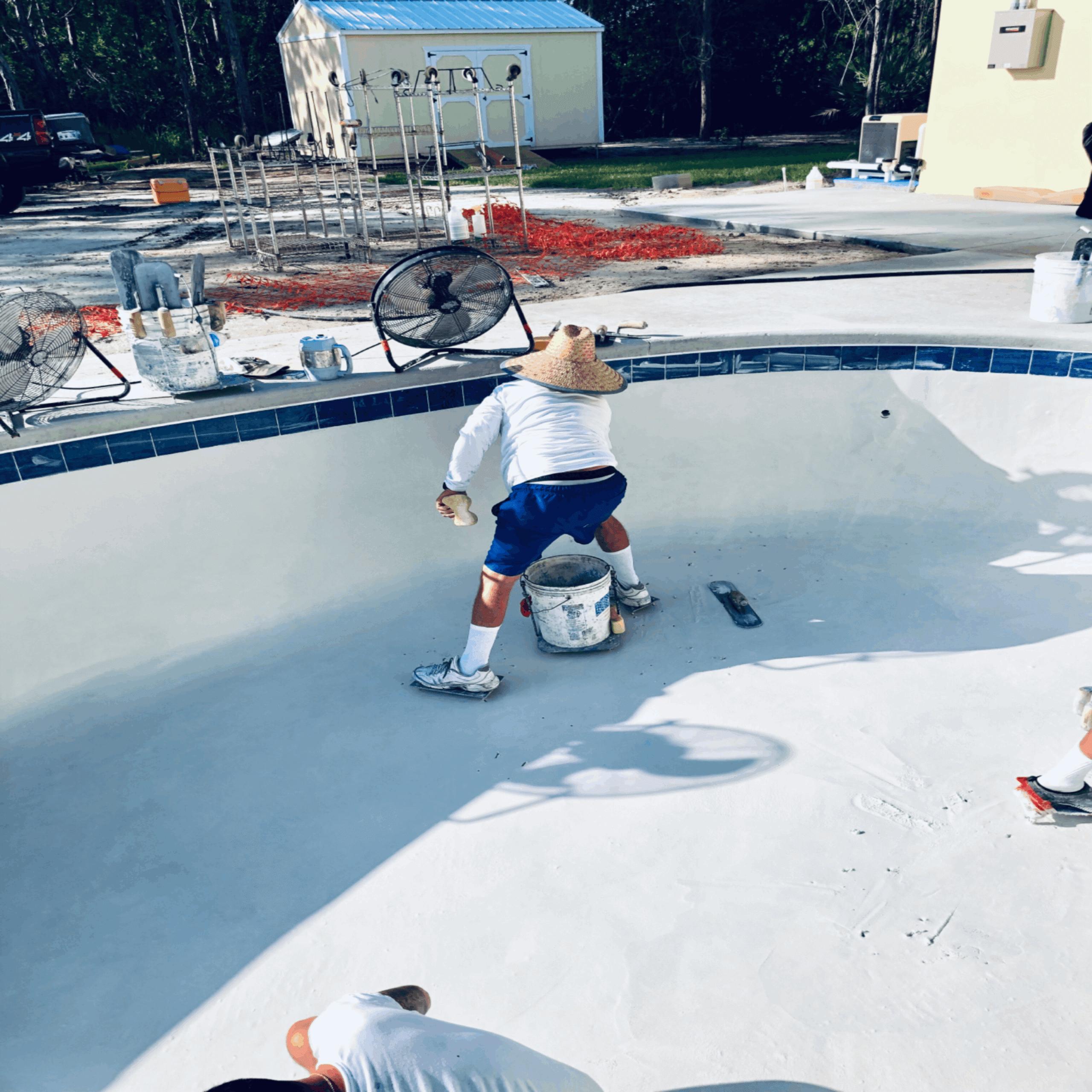
If your concrete pool is showing signs of cracking, surface deterioration, or structural wear, a full replacement isn’t always your only option. Many common issues — including surface damage often referred to as “concrete cancer” — can be addressed through professional pool renovation and resurfacing. Renovating your existing pool can restore its strength, appearance, and functionality without the cost and disruption of starting from scratch. In many cases, updating finishes, tile, coping, and equipment also reduces long-term maintenance and improves overall performance.
What Does Concrete Cancer (ASR) Look Like?
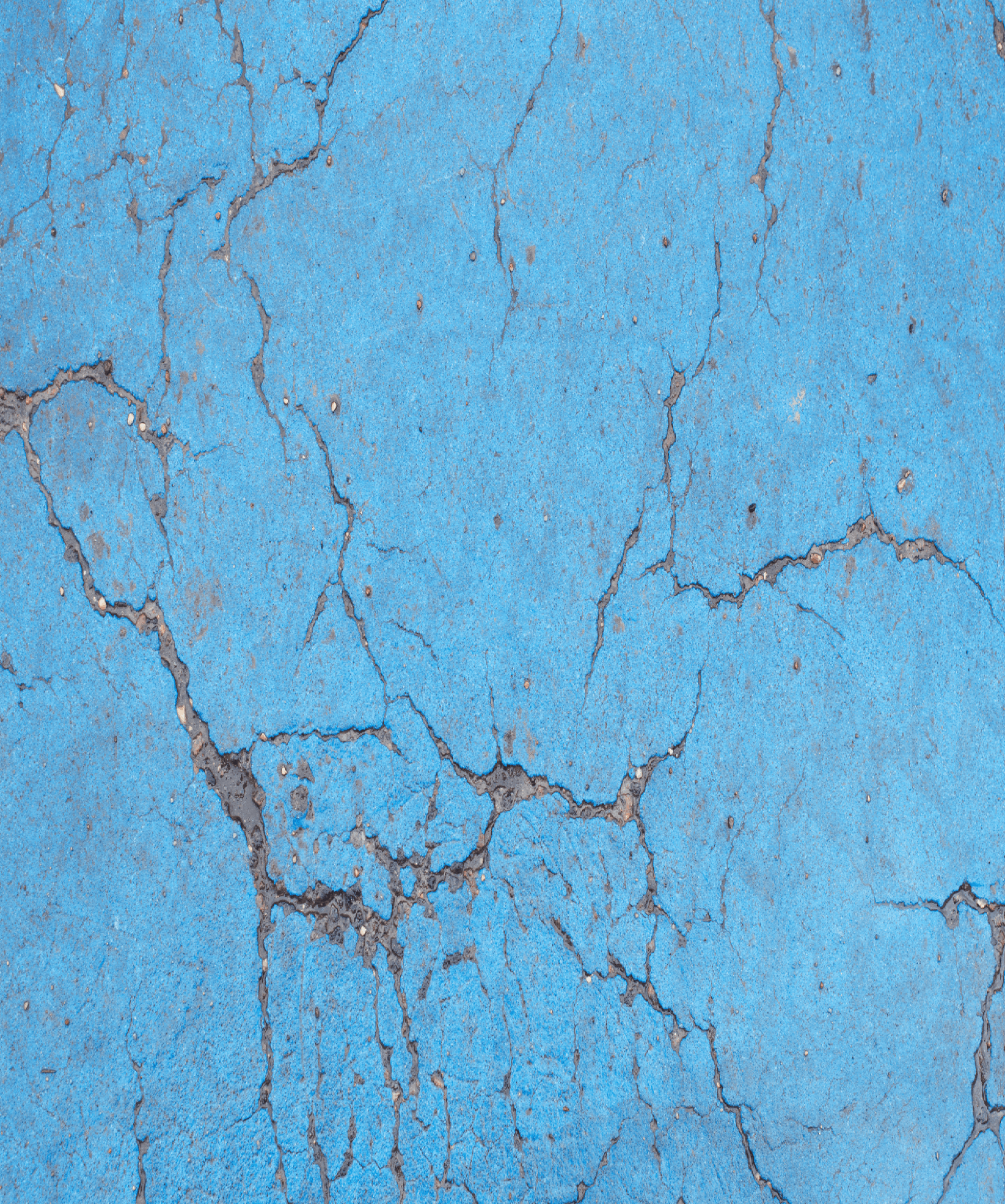
In pools, concrete cancer looks like cracks that form along an eggshell if it’s dropped or broken. There is no rhyme, reason, or pattern to these cracks. Additionally, rust spots and streaks can develop on the surface of a concrete pool shell, tipping you off that something is wrong. In more advanced cases of ASR, entire sections of a pool wall can bulge outward, then flake off or crumble, causing gaping holes as the concrete pool shell continues to deteriorate.
Concrete cancer begins as concrete spalling – visible cracks and flaking forming along a concrete pool wall. When water permeates the concrete, making contact with the steel support walls that help give a pool its shape, prolonged contact causes the steel to rust, corrode and expand – cracking the concrete around the steel beams in the process.
How Long Does It Take to Develop?
Concrete cancer does not develop instantly. It can be years before the signs of concrete cancer are evident in your pool or structure. However, concrete cancer can develop faster in pools than other types of structures, due to constant exposure to water and chemicals. Because concrete is porous, water and salt air can more easily permeate a concrete pool shell, beginning the corrosion process on the steel walls beneath the concrete.
Is Concrete Cancer Dangerous?
If left unchecked, concrete cancer can be very dangerous. As concrete cancer advances, it dramatically compromises the structural integrity of a building or pool that it affects. This causes the concrete to deteriorate and even collapse in on itself.
What Causes Concrete Cancer (ASR)?
There are a variety of factors that cause concrete cancer in pools. Some causes are due to naturally occurring factors – such as geography or the nature of concrete itself. Others are due to human error, such as faulty installation or poor maintenance. In all cases, these factors can lead to concrete cracking, which sets the stage for early concrete cancer development.
- Geographical factors: Concrete cancer can develop due to geographical factors. For instance, if a concrete pool or structure is situated in an area near a body of water with salt air, it may be more susceptible to developing concrete cancer, as they create an environment that contributes to the alkali-silica reaction (ASR) happening faster. Additionally, if your concrete pool is installed in an area that has expansive soil, wet conditions – such as flooding – can cause soil to take on more moisture and press against the concrete shell of your pool, causing it to crack. If left unchecked, these cracks can lead to the development of early concrete cancer.
- Porosity: Concrete is naturally porous and can absorb water and moisture over time. Concrete pools are in prolonged contact with chemically-treated water. Over time, your concrete pool will absorb moisture, which is why it’s incredibly important to stay on top of a rigorous maintenance schedule required of a concrete pool.
- Poor maintenance: Concrete pools are high maintenance. They require weekly scrubbing to keep algae at bay and you need to periodically inspect them for cracks. Similarly, if you improperly drain your pool – for instance, draining it completely – you can cause it to crack.
- Faulty installation: If the concrete that forms your pool shell was not mixed or poured properly, it can make your pool more susceptible to cracking. This can be attributed to either an improper concrete-to-water ratio, or simply pouring the concrete when it’s too hot. Additionally, if your concrete pool was not given ample time to cure (at least two weeks), this can also cause your pool to develop cracks, leading to concrete cancer.
Can Concrete Cancer Be Fixed?
Generally speaking, concrete cancer can be fixed, but it’s quite an intricate and expensive process that involves hiring a concrete professional. This process involves removing damaged concrete as well as cleaning and removing all rusted and corroded steel. Once the damaged areas have been removed, they need to be replaced and then treated to help prevent concrete cancer from returning. Once concrete cancer has taken hold of your pool, it can’t be stopped unless all oxidized steel has been removed and replaced.
Repair Costs
Concrete cancer repair costs are expensive, costing between roughly $60 to $80 per square foot of damage, not including the cost to waterproof new and existing concrete. Waterproofing costs can tack on an additional $6 to $9 per square foot. Waterproofing alone on an entire 20’ x 60’ concrete pool can cost between $7,200 and $10,800 in addition to the costs to dig out and repair affected steel and concrete to rid your pool of concrete cancer.
Concrete Cancer Prevention
In order to protect your pool from concrete cancer, it’s important to conduct diligent maintenance. In addition to giving your pool a forceful scrub to rid it of algae and ensure its water chemistry is balanced, check your concrete pool regularly for any hairline cracks that may be developing, or the appearance of rust spots on its surface. These can be early warning signs of concrete cancer and the alkali-silica reaction taking place inside your pool walls.
If you don’t already have one, you should consider waterproofing your concrete. Costs can range between $6 to $9 per square foot for professional waterproofing, which does not include the cost to remove any coping or other add-ons to properly waterproof your concrete.
Protect Your Investment with the Right Solution
Concrete cancer can be costly, disruptive, and frustrating — but it doesn’t have to define the future of your pool. Whether your pool is showing early signs of surface deterioration or more advanced structural damage, the right renovation strategy can restore both its beauty and integrity. At Oeste Outdoor Pools, we specialize in evaluating aging concrete pools and recommending smart, long-term solutions that protect your investment and elevate your outdoor space.
If you’re noticing cracks, rust stains, or surface flaking — or simply want expert guidance on your pool’s condition — contact Oeste Outdoor Pools today at (817) 675-6495 for a professional consultation. Let’s bring new life to your pool and ensure it’s built to last for years to come.